All guides

Brand Work line · stop 01 of 14 · 35 min · members

The One-Night Agency. A full brand launch package, produced on one Mac in 67 minutes.

A full brand launch package — lifestyle hero, packshot, Turkish poster and a social video — produced on one Mac in 67 minutes. The pipeline, the AI referee that rejected two rounds, and the real numbers next to agency rates.

Free with an account

Sign in to read.

Membership is free: an account opens all 86 script pages. The Lab, Studio Canvas and the paid guides need the $99 pass, paid once. Already signed in on this browser? The page opens by itself.

01

The job

A fake client, a real production run.

One brand brief, four deliverables, one machine — and a referee that rejects work before you see it.

I invented a client to stress-test my local setup: SARP, a single-estate early-harvest olive oil from Ayvalık. 500ml dark green glass, matte bone-white label, a thin copper band, cork stopper. Quiet-luxury positioning, gift segment, 2026 harvest launch.

The brief asked for four things: a lifestyle hero frame, an e-commerce packshot, a launch poster with Turkish copy, and a short social video. Hard rules: the bottle never changes shape or colour, no invented text anywhere, Turkish characters spelled correctly.

67 minutes. 13 candidates. 7 rejected before a human looked.

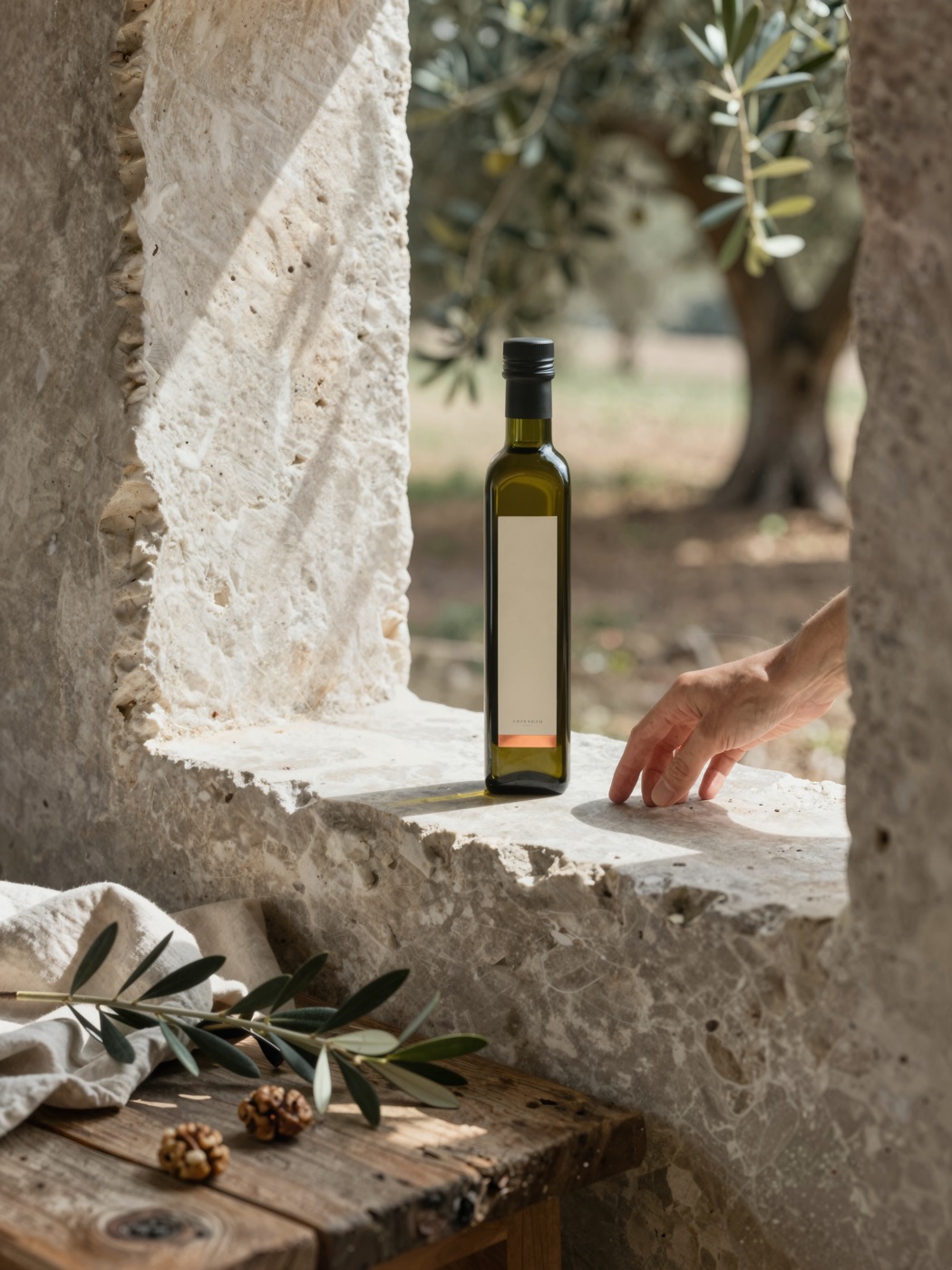
Olive oil bottle on a stone windowsill in morning light

That hero frame is the first deliverable: 2304×3072, print size, generated and finished locally. No stock, no shoot day, no manual retouch pass.

02

The setup

The brand is a file. The pipeline is code.

What makes this repeatable across clients: nothing about the brand lives in the workflow.

Every brand gets one YAML file: visual signature, forbidden things, aspect ratio, which model handles which job, LoRAs, referee weights and the pass threshold. The pipeline reads that file and runs the same disciplined sequence for any client.

name: SARP
style: Quiet-luxury food editorial, 80mm f/4, morning side light,
       limestone, raw linen, bone white + olive + one copper accent
hard_rules:
  - the bottle is 500ml dark green glass, matte bone-white label,
    thin copper band; shape and colour never change
  - no foreign or garbled text; labels stay blank unless briefed
judge:
  weights: {anatomy: 3, brief: 2, product: 3, style: 3, technical: 1}
  min_score: 7.5
pipeline: {candidates: 4, detail_hands: true, upscale: 2.0}

Adding a client is writing that file. The same rules go to two places at once: into every prompt, and into the referee that grades the output. That symmetry is the whole trick.

03

The line

Brief in, graded frames out.

Three software agents and about seventeen model weights, run in sequence on one machine.

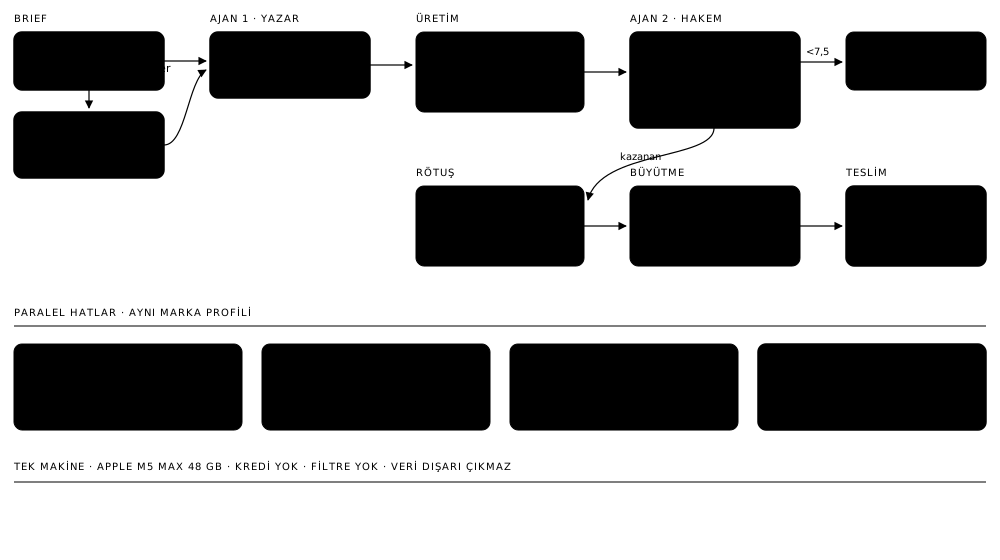
A local LLM opens the brief into several different camera framings, each carrying the brand style and the forbidden list. The image model produces candidates at different seeds. A vision-language model grades every candidate on five axes. The winner goes through hand and face repair, then a tiled upscale to print size. A manifest records the brief, every prompt, every seed, the scores and the model licences.

Diagram of the production pipeline from brief to delivery

The parallel lanes read the same brand file: Z-Image or HiDream for stills, Ideogram 4 for typography, LTX-2.5 for video with synchronised audio. Nothing is hand-wired per client.

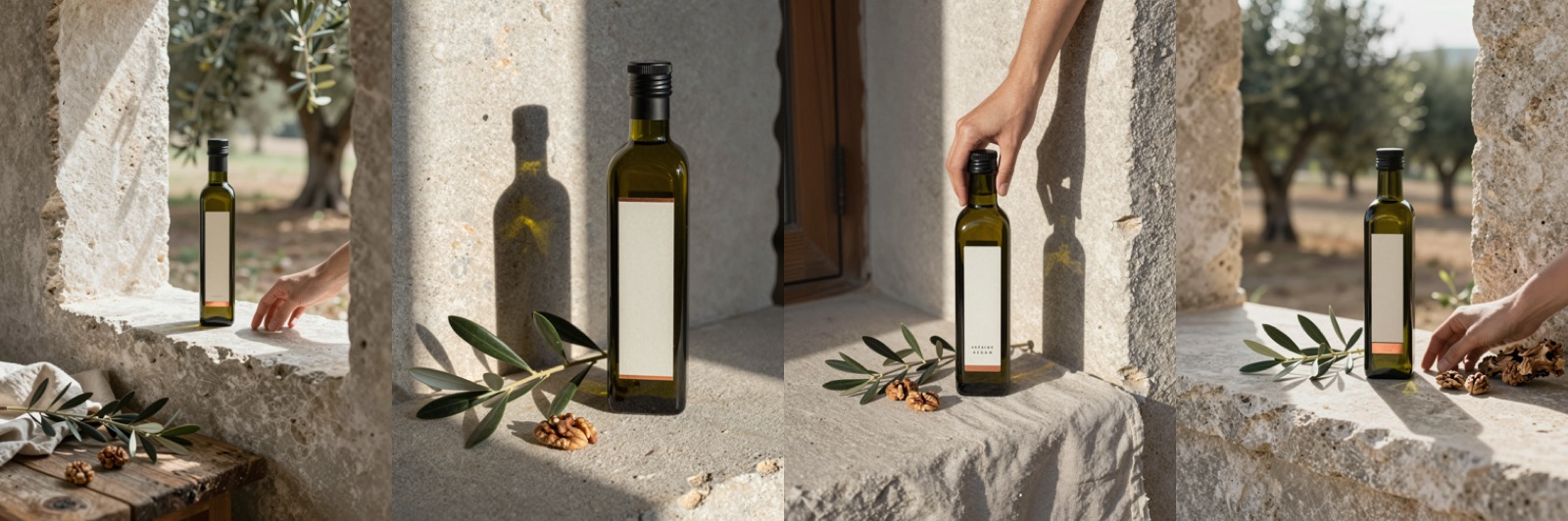
Four hero candidates side by side

Four hero candidates. The referee scored two at 9.08; the selected frame went through a hand repair pass before upscaling.

04

The referee

Two rounds got rejected. That is the point.

The packshot failed twice before it passed — caught by the machine, not by the client.

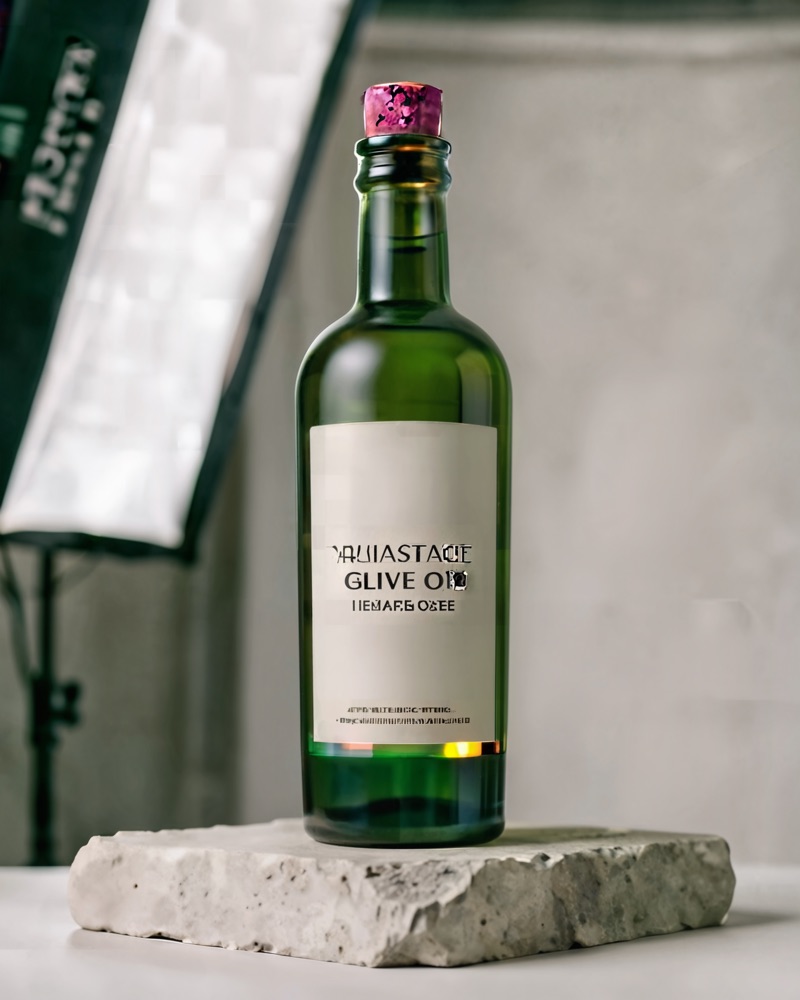
Round one, HiDream O1: beautiful glass and light, and a label covered in invented brand text, a softbox in frame, a magenta cap. The referee scored it 5.75 against a 7.5 threshold and listed the defects.

Rejected packshot with garbled invented label text

Round two tightened the brand rules: blank unprinted label, cork stopper, seamless background, no visible equipment. The label came back clean, but the bottle broke the frame and the neck band went iridescent instead of copper. 6.33. Rejected again.

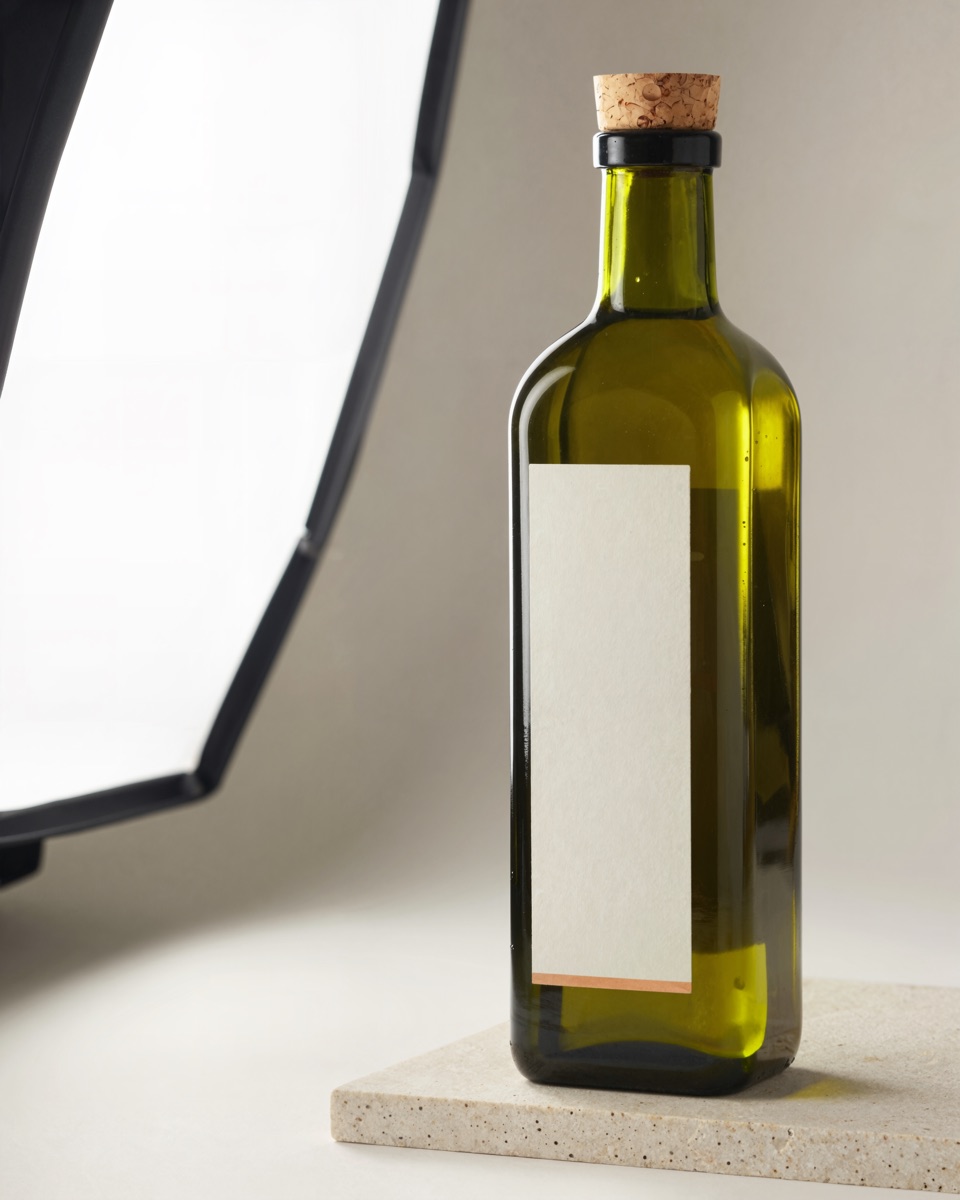
Round three switched the model. Z-Image Turbo, which had already handled the bottle correctly in the hero frame, took the same brief and passed at 8.83: full bottle, cork, blank label, copper band.

Approved packshot with blank label and copper band

HiDream is faster and better at materials. Z-Image is better at obeying a negative instruction.

The honest part: the referee is not infallible. It caught the invented text and the broken framing, but it let a softbox stay in the corner of the approved frame, even though “no visible studio equipment” was in the rules. The referee cuts what a human has to review from thirteen frames to three. It does not replace the human.

05

The numbers

67 minutes, three agents, zero credits.

What it cost in time, models and money — measured, not estimated.

Time. Hero 13m42s. Packshot round one 16m47s. Poster 7m24s. Video 7m24s. Packshot round two 10m26s, round three 10m13s. Total 67 minutes wall clock. Without the two rejected rounds, 45.

Work done. 13 candidates generated, 13 graded, 7 rejected below threshold, 4 deliverables shipped. Peak memory 26GB.

Who ran. Three agents: a writer LLM (Gemma-4 26B), a referee VLM (Qwen2.5-VL 7B), and the orchestrator. Around seventeen model weights across image, typography, video, detection and upscaling.
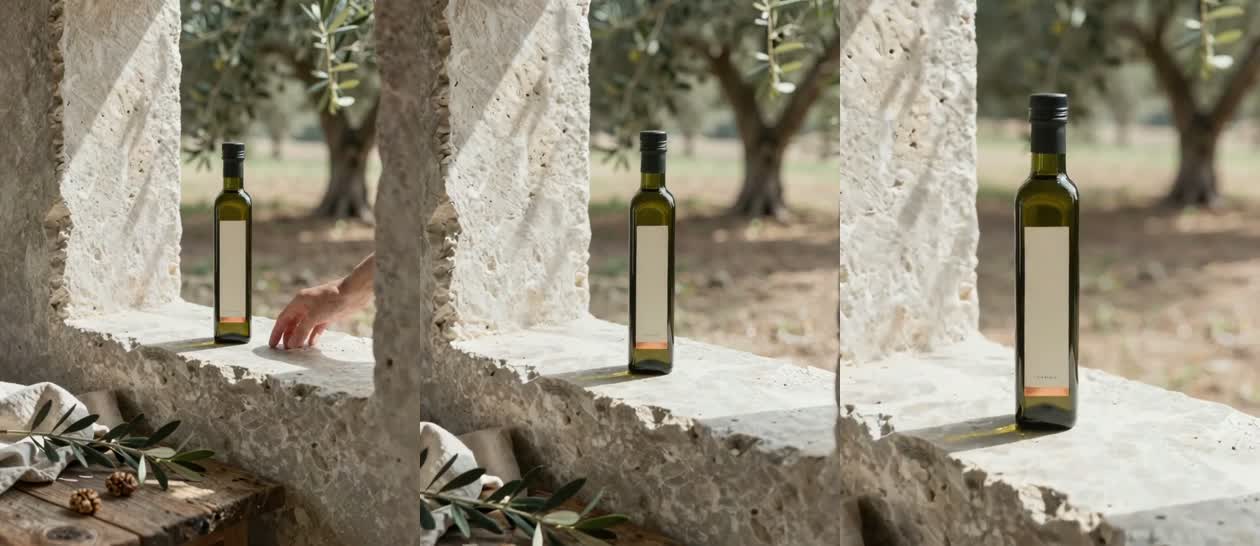
First, middle and last frame of the generated video

Money. A conventional production of this package runs roughly ₺30,000–55,000 in Turkey, or $1,500–5,000 internationally, once you add a shoot day, styling, retouching and licensing — and retouching plus coordination can push the effective figure close to double the quote. On paid AI services it is $80–110 a month in subscriptions across image, upscale and video tools, and it stops when the credits stop. This run cost the electricity for 67 minutes.

The real difference is not the invoice. A revision is a ten-minute round, not a second shoot day.
06

Run it

The commands behind all of it.

One CLI, one brand file per client, everything else shared.

ajans new sarp                      # brand file from template
ajans gen    --brand sarp --brief "..." --n 4
ajans poster --brand sarp-afis --brief "..." --text "SARP" --text "2026 Erken Hasat"
ajans video  --brand sarp --image FINAL.png --brief "..." --seconds 3
ajans batch  --brand sarp --file briefs.txt     # overnight queue
ajans find   "olive"                            # search every past job

Each run writes a job folder: the prompts, every candidate, the scores with defect lists, the finals, a contact sheet and a manifest naming the models and their licences — so a client can be told exactly how their image was made.

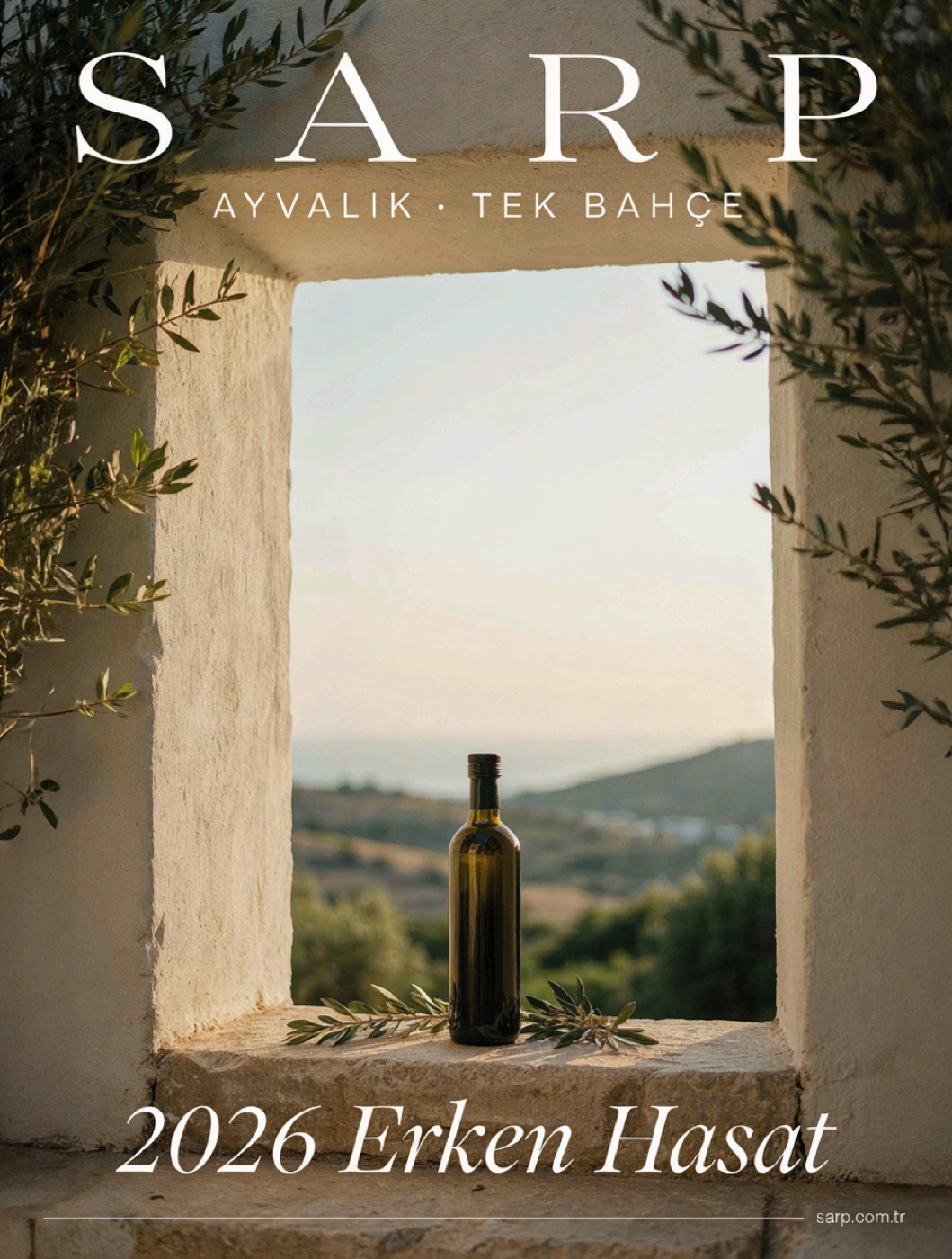
Launch poster with Turkish typography

The poster is the clearest proof that open models have caught up: four Turkish strings, correct characters, correct spelling, typography that stays off the subject. A year ago this was the thing local models could not do.

What I would not claim. Video is still short — three seconds at a time, stitched. Long poster copy still breaks. And a brand-critical packshot deserves a human look before it ships: the referee gets you to three frames, not to zero.